Not every repair increases value—and some can actually delay your sale or eat into your profits.
One of the most common home selling mistakes sellers make is assuming that everything needs to be fixed before listing. In reality, some upgrades won’t deliver a return, and others can even work against you by inflating your asking price beyond what the market will support.
Before spending money, sellers should know what not to fix—and where restraint can be the smartest strategy.
Often Not Worth It:
Full kitchen remodels right before listing
Kitchens sell homes, but a full remodel right before listing rarely pays off. Buyers may love the space—but not your exact finishes, cabinet style, or countertop choice. In many cases, they’d rather negotiate price and personalize the kitchen themselves than pay a premium for a brand-new remodel they didn’t choose.
Highly personal design upgrades
Bold tile patterns, statement lighting, custom murals, or trendy colors can limit buyer appeal. What feels stylish and meaningful to you may feel risky or polarizing to buyers, who are often looking for a neutral canvas.
Luxury features that don’t match the neighborhood
Adding high-end features like a wine cellar, spa bathroom, or luxury appliances in a mid-range neighborhood can lead to over-improving. If surrounding homes don’t support the price increase, buyers may not be willing to pay for those extras.
Major projects without time to recoup cost
Structural changes, room additions, or layout overhauls are expensive and time-consuming. Without enough time to enjoy or recover the investment, these projects often reduce your net proceeds rather than increase them.
Buyers often prefer to customize kitchens and bathrooms themselves. Over-improving can push your home out of its ideal price bracket, reduce the buyer pool, and lead to longer days on market.
Instead of tackling big-ticket renovations, sellers should focus on the fundamentals that make a strong first impression and signal good maintenance.
Instead, focus on:
Cleanliness
A clean home feels cared for. Deep cleaning floors, windows, kitchens, and bathrooms can dramatically improve how buyers perceive the property—without major expense.
Minor cosmetic repairs
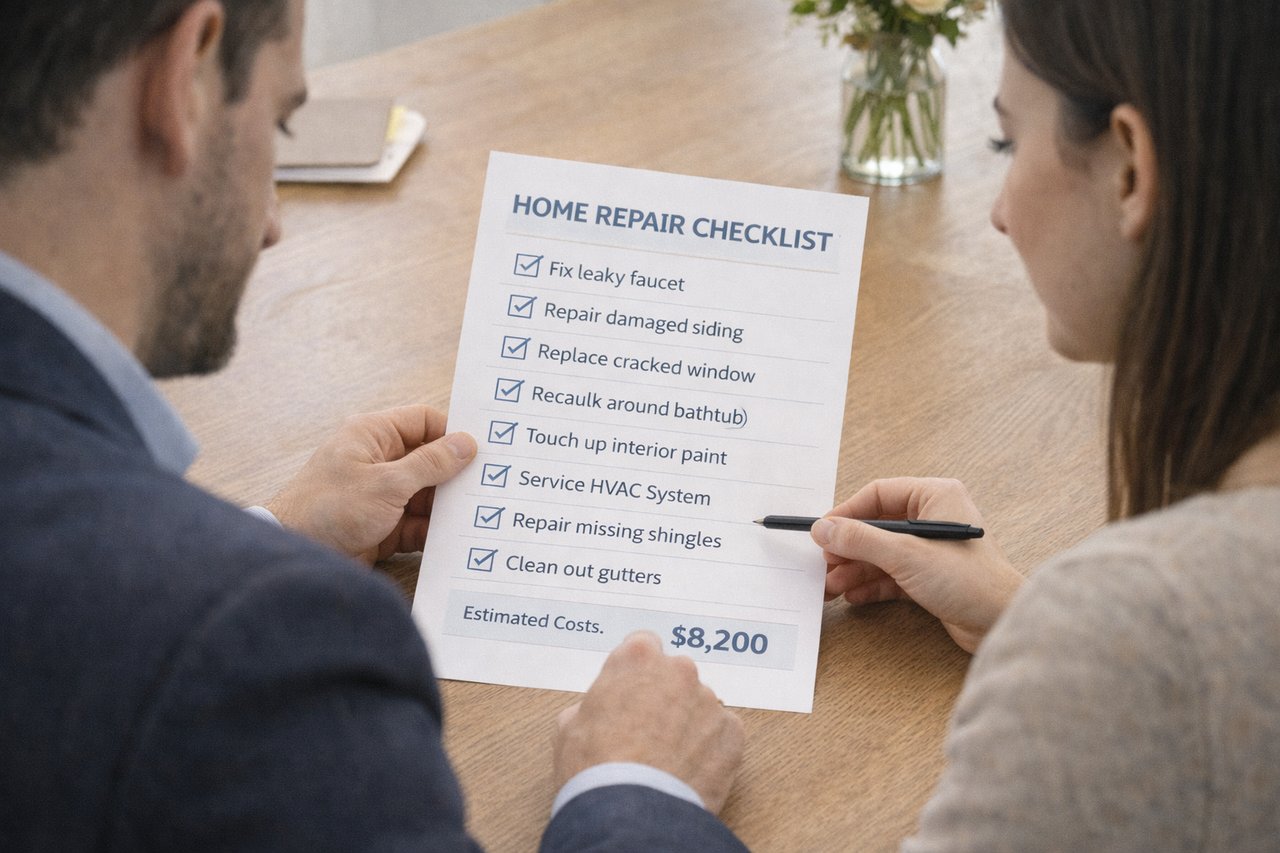
Fix small but noticeable issues like cracked outlet covers, loose handles, scuffed walls, dripping faucets, or worn caulking. These low-cost repairs help prevent buyers from mentally stacking up “to-do” lists.
Neutral presentation
Fresh, neutral paint and simplified décor help buyers envision themselves in the space. The goal is broad appeal, not showcasing personal taste.
Functional systems
Buyers care deeply about what works. Ensuring that HVAC, plumbing, electrical systems, doors, windows, and appliances are functioning properly builds confidence and reduces negotiation friction later.
A smart agent will help you prioritize high-impact, low-cost improvements that improve marketability without overcapitalizing. The right guidance can save you time, money, and stress—while positioning your home to sell faster and stronger in the NJ market.