What Is a Contingent Offer?
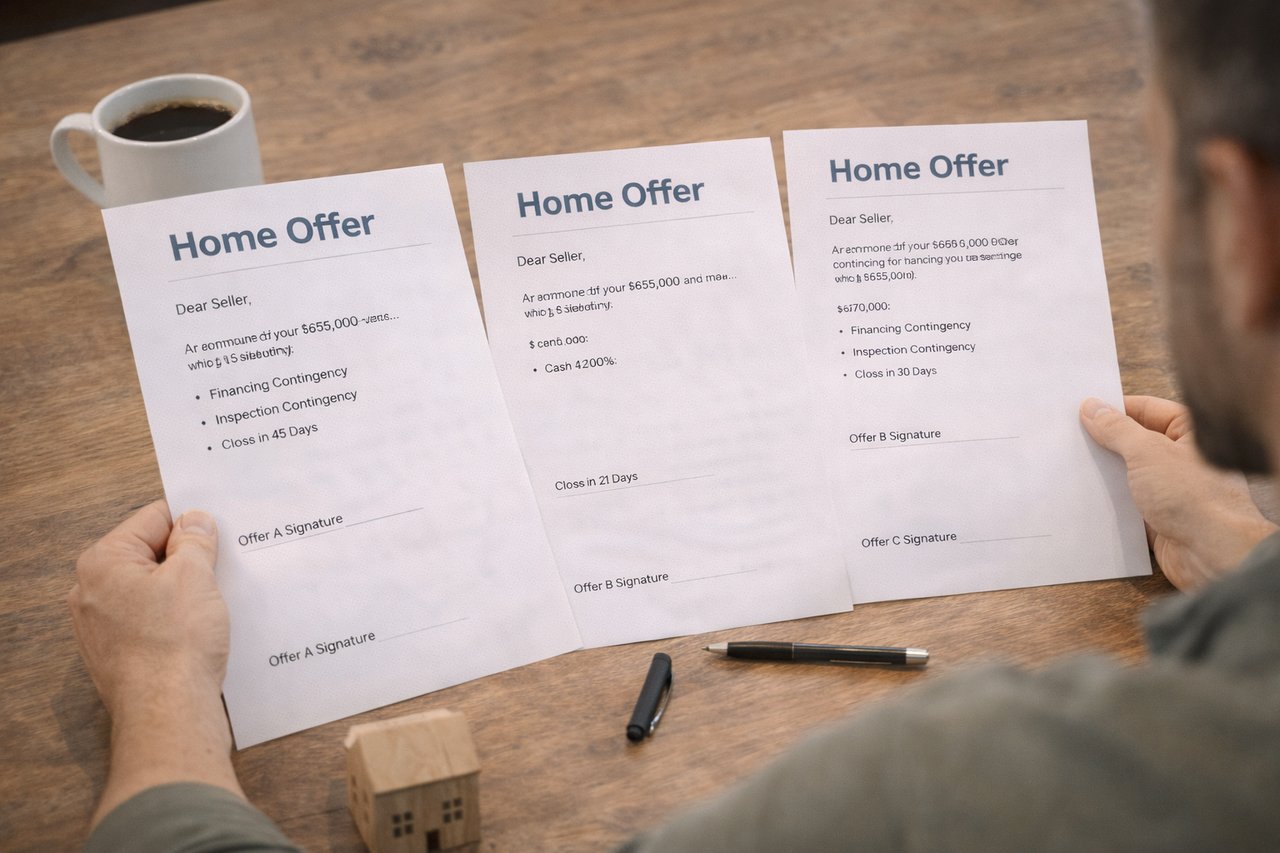
A contingent offer is an offer to purchase a home that is conditional on specific requirements being met before the sale can move forward. It’s a legal way for buyers to protect themselves, ensuring they aren’t locked into a purchase that could cause financial strain or unforeseen problems.
For sellers, a contingent offer signals potential risks or delays, such as inspection issues, financing uncertainties, or dependency on another home sale. This transparency helps both parties set expectations early in the process.
Common Types of Contingencies
-
Home Inspection Contingency
-
This allows the buyer to hire a professional inspector and identify any problems with the home.
-
If significant issues are found—like structural damage, electrical problems, or plumbing leaks—the buyer can:
-
Request repairs
-
Negotiate credits
-
Back out of the contract without losing their deposit
-
Purpose: Protects the buyer from unexpected repair costs and ensures the home meets acceptable standards.
-
Mortgage Approval (Financing) Contingency
-
Protects buyers in case their loan application is denied or delayed.
-
If financing falls through, the buyer can cancel the contract without penalty.
-
Importance: Even pre-approved buyers can encounter issues during underwriting, so this contingency limits financial exposure.
-
Appraisal Contingency
-
Ensures the home appraises at or above the purchase price.
-
If the appraisal comes in lower than the agreed price, buyers can renegotiate, ask for seller concessions, or walk away.
-
Importance: Prevents buyers from overpaying and ensures lenders are willing to finance the loan amount.
-
Sale of the Buyer’s Current Home
-
Allows the buyer to move forward only if their existing home sells first.
-
Protects buyers from owning two homes simultaneously, which could create financial strain.
-
Often paired with a “kick-out clause,” allowing the seller to continue marketing the property if another buyer comes along.
Contingencies in Competitive Markets
In Northern NJ, where inventory is limited and multiple offers are common:
-
Offers with fewer or waived contingencies are often more attractive to sellers, because they reduce uncertainty.
-
Buyers may be tempted to remove contingencies to “win” the home—but doing so without a careful plan can create serious risk:
-
Paying out-of-pocket for unexpected repairs
-
Losing deposits if financing falls through
-
Overpaying for a property if the appraisal is low
How to Use Contingencies Strategically
A knowledgeable agent can help buyers:
-
Structure contingencies to stay protected while still presenting a strong, competitive offer.
-
Balance risk and strength, for example by shortening inspection periods instead of removing them completely, or securing strong financing documentation to reassure sellers.
-
Minimize surprises, ensuring the buyer doesn’t face unexpected costs or contract disputes.
In essence, contingencies are tools for both protection and negotiation. Used wisely, they allow buyers to compete in tight markets like Northern NJ without exposing themselves to unnecessary risk.