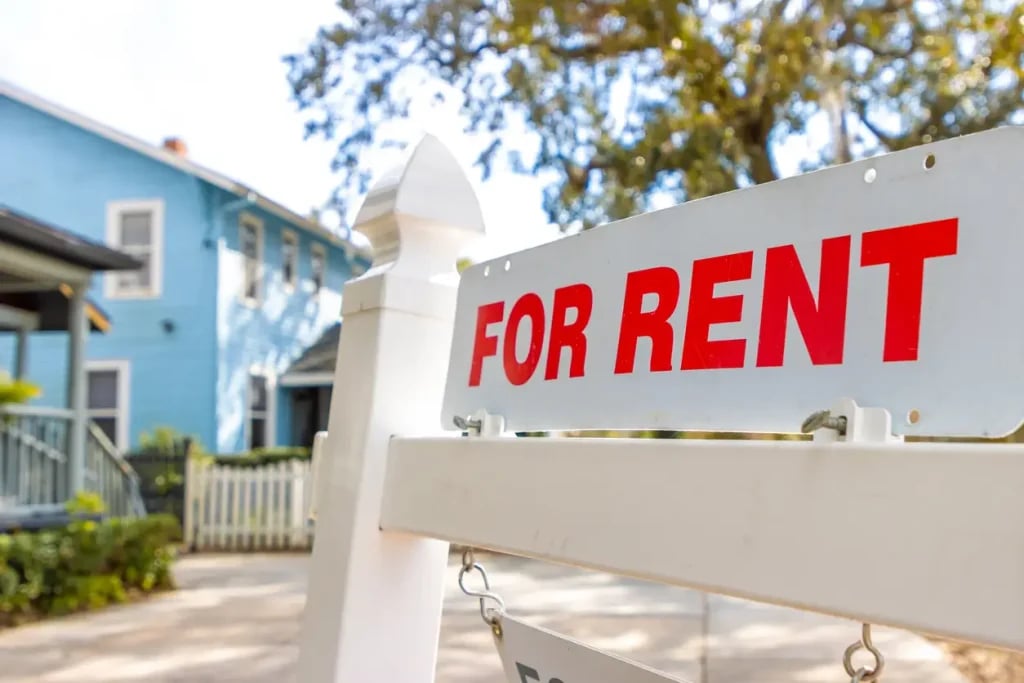
Renting after selling isn’t a failure—it’s a strategy. For some homeowners, it’s a deliberate pause that creates flexibility and breathing room. For others, it can quietly introduce new costs and risks if not planned carefully.
After selling a home, some sellers choose to rent while they regroup, reassess priorities, or wait for better buying conditions. This can remove pressure and allow decisions to be made calmly rather than reactively. However, renting also means stepping out of the ownership market—sometimes during periods of rising prices or limited inventory.
For the right situation, renting can be a smart transitional move.
Renting can make sense if:
You need time to decide on location
Life changes like divorce, career shifts, or lifestyle adjustments can make it difficult to commit to a new area right away. Renting allows you to explore neighborhoods, school districts, and commute patterns before buying again.
You’re relocating or downsizing
Whether moving closer to family, changing states, or simplifying your lifestyle, renting can act as a bridge—especially if timing a purchase feels rushed or uncertain.
You want certainty before buying again
Selling first eliminates contingency stress and gives you a clear budget. Some buyers value knowing exactly what they can afford before entering a competitive market.
That said, this strategy isn’t without risk.
It can backfire if:
Rents rise faster than home prices
In Northern NJ, rent increases can quickly erode purchasing power. Monthly rent that climbs year over year may reduce savings or delay your ability to re-enter the market.
Inventory tightens while you wait
Stepping out of the buying market can mean missing opportunities. If inventory shrinks or competition increases, buyers may find fewer options—or higher prices—when they’re ready to purchase again.
Renting after selling works best when paired with a clear plan and defined timeline. Knowing how long you intend to rent, what conditions would trigger a purchase, and how market trends affect your goals is critical.
In Northern New Jersey, this approach can be effective—but only when guided by realistic expectations and local market insight. With the right strategy, renting can be a smart transition rather than an expensive detour.