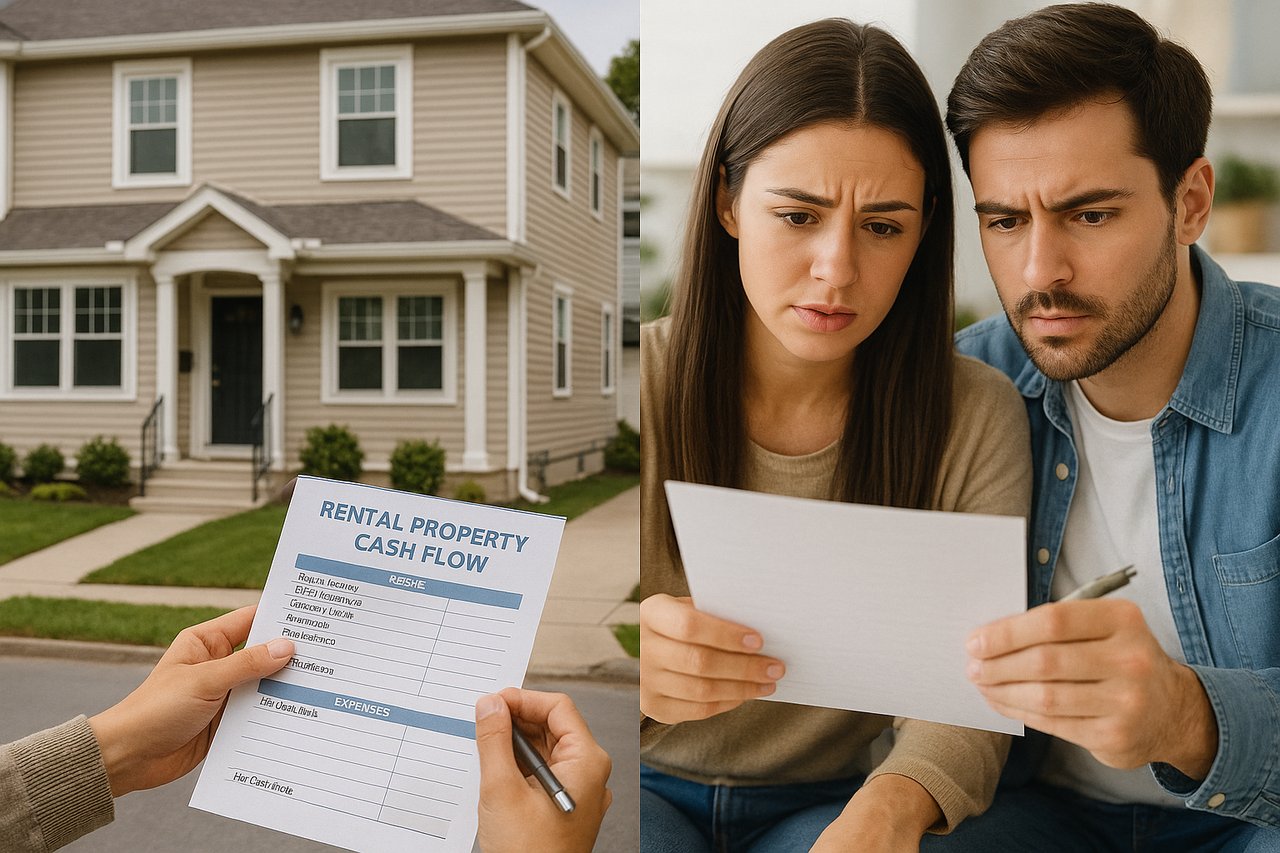
Dreaming of passive income? Rental properties are one of the most reliable and scalable paths to long-term wealth—especially in strong markets like Northern New Jersey. Whether you’re aiming for your first duplex or planning to build a full portfolio, here’s an in-depth roadmap to help you get started.
1. Research the Market
Before buying anything, you need to know where demand is strongest. In NJ, rental demand is driven by access to transportation, job opportunities, and good schools.
Look for areas with:
-
Train access to NYC (e.g., Rutherford, Clifton, Montclair)
-
Growing populations and job hubs
-
Universities or medical centers (which attract long-term renters)
-
Limited housing supply (which keeps rents high)
Study average rents, vacancy rates, and property taxes to determine whether an area can support strong and consistent rental income.
2. Choose the Right Financing
You don’t need to pay cash to get started—NJ offers several investor-friendly financing options:
-
FHA Loans: Perfect for beginners. With as little as 3.5% down, you can purchase a 2–4 family property as long as you live in one unit.
-
Conventional Investment Loans: Ideal if you’re buying a strictly rental property or scaling your portfolio.
-
DSCR Loans: These loans qualify you based on the property’s income, not your personal income—great for investors with strong rental prospects.
-
HELOCs: Tap into the equity of your current home to fund a down payment.
The key is choosing a financing structure that supports your long-term goals without overextending your budget.
3. Analyze the Numbers
Successful rental investing isn’t about buying the prettiest house—it’s about buying a property where the numbers work.
Calculate:
-
Projected rent
-
Property taxes (high in NJ—always verify)
-
Insurance costs
-
Maintenance & repairs budget (10% rule is common)
-
Vacancy allowance (5–8% is typical)
-
Property management fees if applicable (8–12%)
Your goal:
➡️ Positive monthly cash flow from day one
➡️ At least 10–20% cash-on-cash return for strong performance
If the numbers don’t make sense, walk away. There will always be more opportunities.
4. Decide on Your Management Style
How hands-on do you want to be?
-
Self-Managing: Saves money, builds experience, gives you more control. Best for local investors.
-
Property Manager: Ideal if you’re busy, out-of-state, or scaling multiple units. They handle tenant screening, rent collection, repairs, and more.
Either path works; the key is consistency and responsiveness.
5. Protect Your Investment
Being a landlord comes with responsibilities, but a little preparation goes a long way.
Make sure you have:
-
Landlord insurance (different from homeowner’s insurance)
-
Understanding of NJ rental laws (especially security deposits and eviction rules)
-
A strong lease agreement
-
An emergency repair fund
This protects your property, your income, and your peace of mind.
Final Takeaway
Done right, rental properties can turn predictable monthly cash flow into generational wealth. Northern NJ—with its high demand, strong job market, and proximity to NYC—offers some of the most resilient rental opportunities for both new and seasoned investors.
Your first property may feel intimidating, but every investor starts with one step: education, preparation, and taking action.