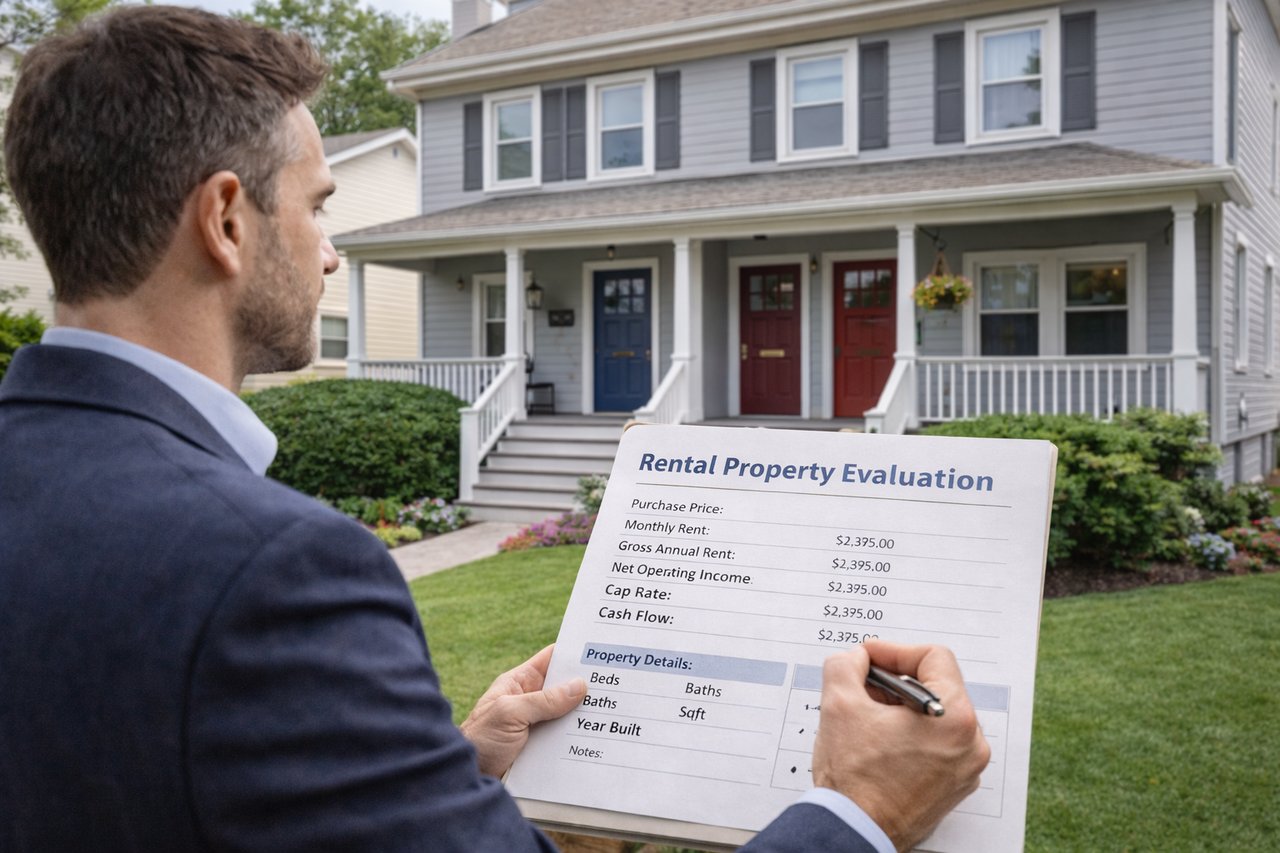
A good rental property isn’t just about a low purchase price—it’s about long-term performance and consistent cash flow. Many first-time investors get excited by a “bargain,” only to realize later that location, tenant demand, and ongoing expenses determine success more than the initial cost.
Strong rental properties typically share a few key traits:
-
Desirable locations
Properties near commuter transit, walkable downtowns, top-rated schools, and employment hubs tend to attract tenants quickly and maintain occupancy over time. In Northern New Jersey, proximity to train lines, bus routes, and major highways can significantly impact rental demand and pricing. -
Manageable maintenance
Older properties with deferred repairs may seem inexpensive, but ongoing maintenance costs can erode returns. Well-built homes or units with updated systems reduce headaches and unexpected expenses, making cash flow more predictable. -
Steady tenant demand
Look for neighborhoods where rentals are in high demand, not oversaturated. Communities with stable populations, low vacancy rates, and a mix of residential and commercial amenities usually provide consistent tenant interest. -
Rents that comfortably cover expenses and taxes
A good rental doesn’t just cover the mortgage—it generates positive cash flow after accounting for property taxes, insurance, HOA fees (if applicable), and maintenance. Evaluating total ownership costs upfront ensures that the investment is financially sustainable. -
Potential for appreciation
While cash flow is important, a strong rental property should also have the potential for long-term value growth. Areas undergoing development, infrastructure improvements, or population growth often outperform stagnant neighborhoods.
In Northern New Jersey, understanding local nuances—including school districts, transit access, and market trends—is critical. What looks like a good deal on paper may not perform well if the location doesn’t attract renters willing to pay market rates.
The ultimate goal isn’t just owning property—it’s owning the right property. Careful research, analysis of operating costs, and consideration of tenant demand can make the difference between a profitable investment and a property that becomes a financial burden.