Property taxes are one of the most overlooked factors when it comes to building long-term wealth through real estate—especially in New Jersey, where average property tax rates are among the highest in the nation. While many buyers focus primarily on purchase price or mortgage rates, failing to account for taxes can significantly alter both monthly affordability and long-term returns.
How Property Taxes Affect Affordability
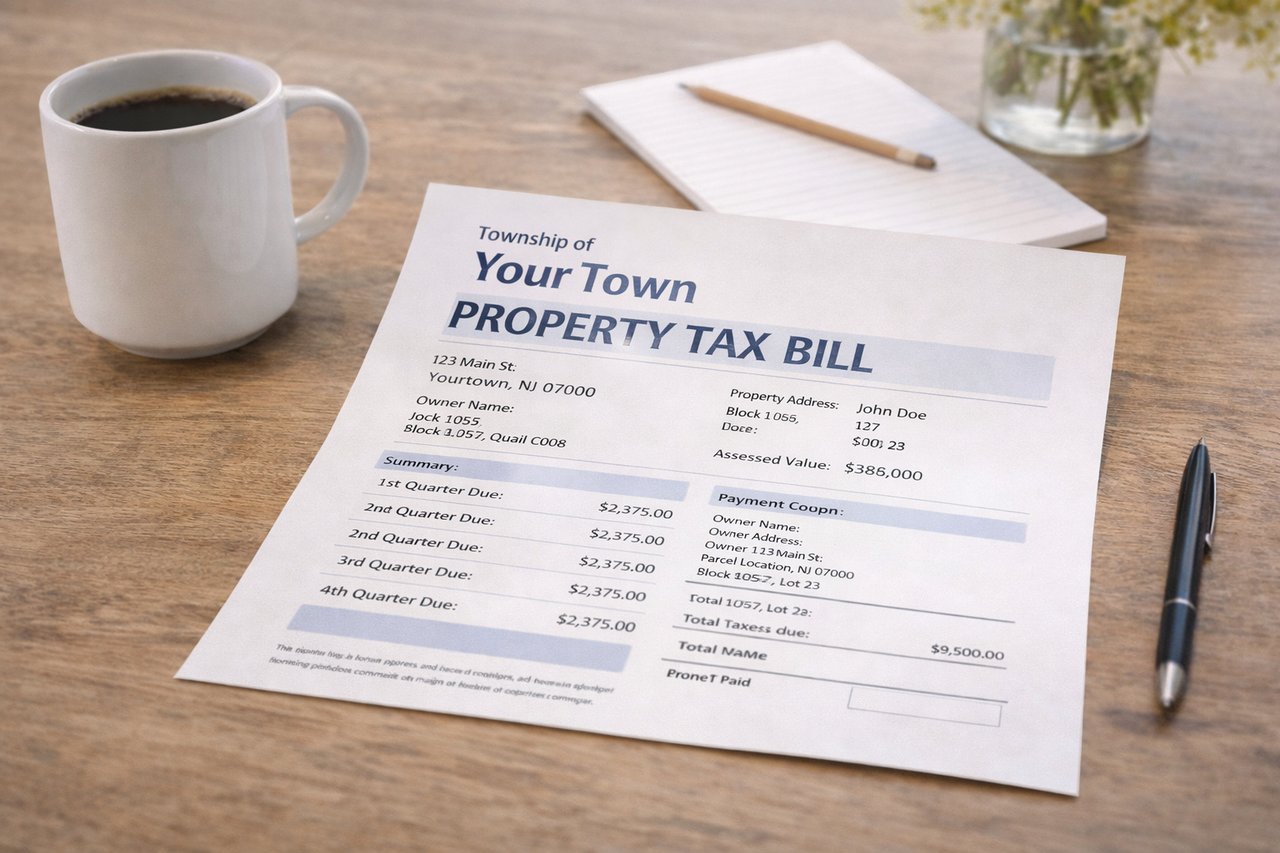
Even if a home’s mortgage payment fits comfortably within a budget, high property taxes can push monthly costs far beyond expectations. For example, two $500,000 homes may have the same mortgage payment, but if one has an annual property tax bill of $15,000 and the other $8,000, the monthly out-of-pocket difference is substantial. Smart buyers calculate taxes from day one, factoring them into the monthly payment alongside insurance, utilities, and maintenance costs.
Ignoring this can result in financial strain, forcing homeowners to cut back on savings, lifestyle expenses, or future investments.
How Taxes Impact Resale Value
Property taxes don’t just affect current affordability—they also influence buyer demand when it’s time to sell. Homes in areas with very high taxes may attract fewer buyers, or buyers may offer less to offset ongoing costs. Even in desirable neighborhoods, elevated taxes can reduce competition, slow the sale, or require concessions, potentially lowering net proceeds at closing.
The Effect on Long-Term Wealth
For investors, taxes directly impact cash flow and overall ROI. Rental properties in high-tax areas require higher rent to cover expenses, which may limit tenant interest or reduce profit margins. For owner-occupants, taxes increase the ongoing cost of holding the property, reducing the equity that could be saved or reinvested over time. Two homes with the same purchase price can feel entirely different once taxes, insurance, and maintenance are factored in—affecting your long-term wealth trajectory.
Planning Ahead Is Key
The smartest buyers and investors consider taxes before purchase, not after closing. Key strategies include:
-
Comparing neighborhoods based on both purchase price and property tax rates
-
Calculating total monthly housing costs, not just the mortgage
-
Forecasting future tax increases, since many NJ municipalities reassess property values regularly
-
Balancing tax cost with amenities and location benefits, such as schools, commute, or neighborhood safety
By factoring taxes into every decision, buyers can ensure that a home remains affordable, marketable, and profitable over time. In high-tax areas like Northern NJ, this level of planning can make the difference between sustainable homeownership and financial strain—and is a key component of long-term wealth building.
Property taxes may seem like a static number on a bill, but their impact is ongoing. Buyers who account for them upfront position themselves to maximize both lifestyle comfort and investment value.